10 Brain-Boosting Toys Every Toddler Should Play With Before Age 3
10 Brain Boosting Toys Every Toddler Should Play With Before Age 3
The first three years of life are the most powerful period for brain development. Toddlers are forming millions of neural connections every second, and the toys they play with can shape critical skills like problem solving, coordination, language, and creativity. Choosing the right brain boosting toys gives toddlers a developmental edge that lasts long after early childhood.
How to Choose the Right Brain Boosting Toys
Selecting toys for toddlers can feel overwhelming, so focus on simple criteria that support true learning.
• Toys should be safe, durable, and made with large, toddler friendly parts
• Look for open ended toys that allow creativity instead of single use items
• Choose toys that grow with your child and support multiple stages of development
• Prioritize toys that engage hands on play such as stacking, sorting, pushing, pulling, building, or pretending
• Look for toys that support early milestones in language, sensory development, motor skills, and logical thinking
When toys encourage exploration, curiosity, and skill building, toddlers learn more through natural play.
Benefits Backed by Research
Toddlers benefit most from hands on, interactive play rather than passive toys or screens. Research shows
• Toddlers create more than one million neural connections every second during active play
• Sensory exploration strengthens cognitive pathways tied to speech, early literacy, and emotional growth
• Pretend play improves empathy, communication, and problem solving
• Fine motor play supports early writing skills and self help development like dressing and feeding
The right toys encourage movement, creativity, and connection, which all contribute to a stronger learning foundation.
Soft Building Blocks for Motor Skills and Creativity
Soft and foam blocks help toddlers develop hand strength, balance, stacking skills, and spatial awareness. They encourage creativity as toddlers build simple towers, knock them down, and explore cause and effect.
Shape Sorters for Problem Solving
Shape sorters strengthen logical thinking and early problem solving as toddlers learn to match shapes, rotate pieces, and use trial and error. They also support hand eye coordination and patience.
Wooden Puzzles for Memory and Focus
Wooden puzzles improve concentration, memory, and visual processing. Toddlers learn to recognize shapes, animals, vehicles, and simple categories through repeated play.
Stacking Rings for Coordination
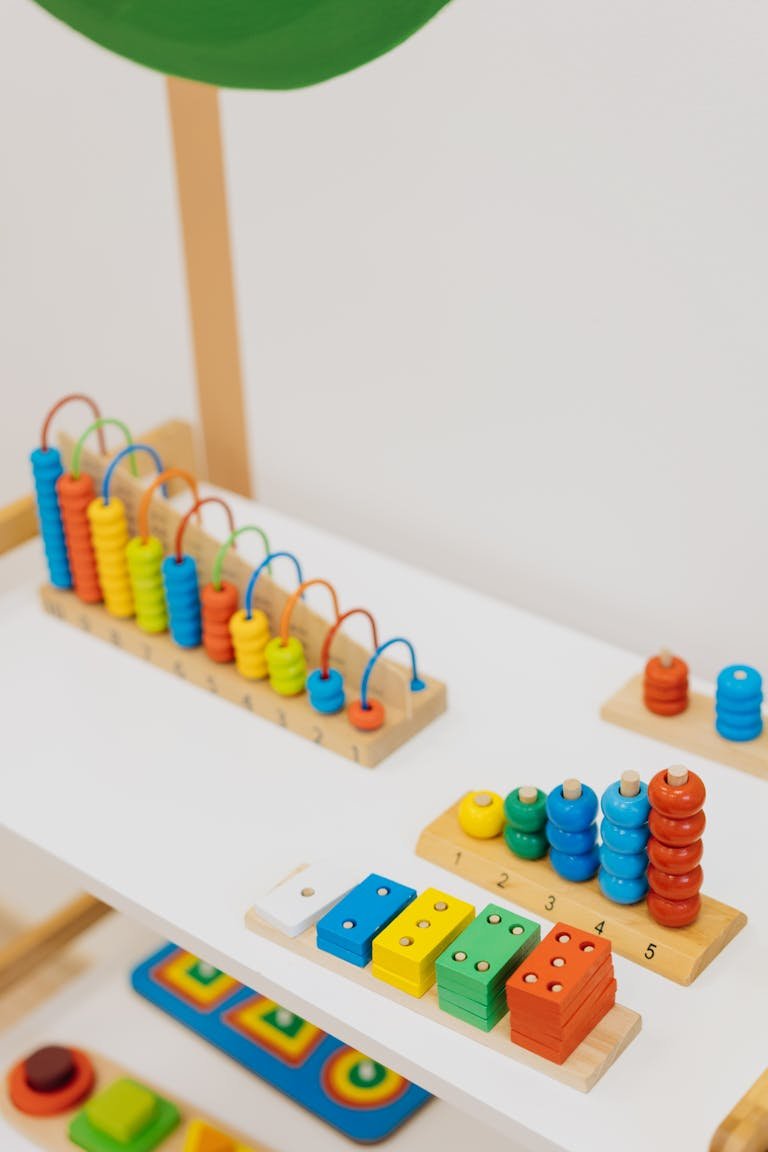
Stacking rings teach toddlers size order, colors, sequencing, and depth perception. They develop fine motor skills and are a gentle introduction to math concepts.
Musical Instruments for Language Development
Toddler friendly instruments like shakers, xylophones, and drums boost auditory development, rhythm recognition, and early language skills. Music strengthens listening, sound differentiation, and memory.
Sensory Balls for Motor and Sensory Exploration
Textured sensory balls encourage rolling, squeezing, grasping, crawling, and throwing. Sensory experiences help toddlers regulate emotions, build gross motor skills, and develop body awareness.
Pretend Play Sets for Imagination and Social Skills
Pretend kitchens, doctor sets, or tool kits help toddlers build communication skills, imagination, emotional understanding, and social awareness. Pretend play also supports storytelling and creative thinking.
Push and Pull Toys for Balance and Walking Confidence
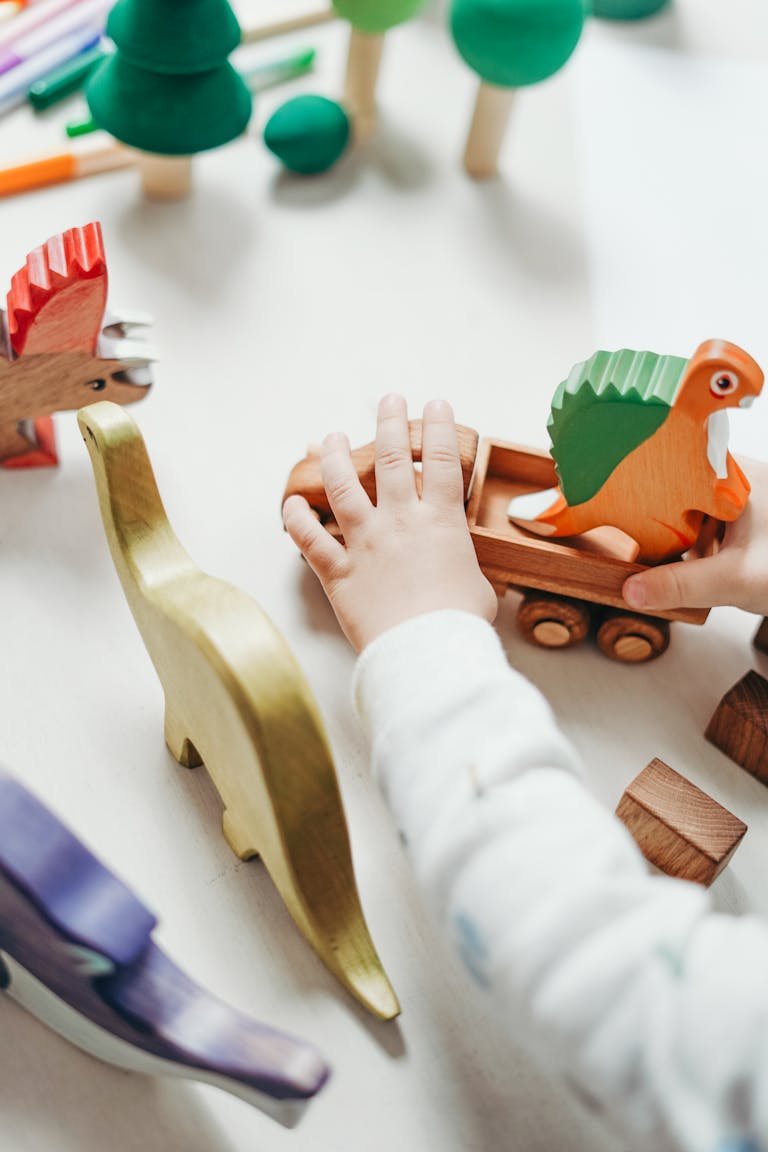
Push walkers, pull toys, and wagons help toddlers improve balance, stability, and coordination as they begin walking. These toys strengthen the core and support confident movement.
Montessori Busy Boards for Independence
Busy boards with switches, buttons, buckles, zippers, and locks build fine motor control and problem solving. They give toddlers hands on practice with real world skills in a safe way.
Nesting Cups for Early Math and Logic
Nesting cups teach toddlers size comparison, measurement, stacking, pouring, and early math logic. They are versatile for water play, sensory play, and open ended exploration.
Best Toys for Small Spaces or Minimalist Playrooms
Parents in small homes or who prefer minimalist living can still provide rich developmental play. These space saving toys offer big learning benefits in compact form.
• Nesting cups that store inside each other and offer multiple uses
• A compact set of wooden blocks that last for years of creative play
• A single busy board that replaces several fine motor toys
• Soft foam blocks that fold or stack neatly when not in use
• A lightweight push toy that stores upright or on a hook
*Minimalist toys help toddlers stay focused and avoid overstimulation.
Brain Boosting Toys for Toddlers Under Age 3
| Toy Type | Key Skills Developed | Why It Matters Before Age 3 | Best For |
|---|---|---|---|
| Soft Building Blocks | Motor skills, spatial awareness, creativity | Builds problem solving and coordination | Active play |
| Shape Sorters | Logic, matching, hand control | Strengthens early problem solving | Early learners |
| Wooden Puzzles | Memory, focus, fine motor | Supports pre reading skills | Quiet learning time |
| Stacking Rings | Sequencing, color recognition, coordination | Encourages math readiness | Hand control |
| Musical Instruments | Listening, rhythm, language | Boosts speech and sound understanding | Language development |
| Sensory Balls | Motor skills, sensory exploration | Encourages movement and tactile learning | Active toddlers |
| Pretend Play Sets | Imagination, communication, social skills | Builds emotional intelligence | Role play |
| Push and Pull Toys | Balance, core strength, mobility | Helps early walkers gain confidence | Early walkers |
| Busy Boards | Fine motor, concentration, independence | Builds real life skills | Focused play |
| Nesting Cups | Measurement, size comparison, logic | Develops pre math concepts | Open ended play |
Shape Creativity and Development
Before age three, toddlers absorb everything around them. The toys they play with can shape language, motor skills, social development, and creativity. Choosing brain boosting toys gives your child meaningful learning opportunities disguised as fun.
Frequently Asked Questions
What toys help toddlers learn to talk
Musical instruments, picture books, pretend play sets, and any toys that encourage naming, labeling, or storytelling are powerful for developing speech and early language skills.
How many toys should a toddler have
Fewer high quality toys are better than a large collection of clutter. Most experts recommend toy rotation, meaning toddlers play with a handful of toys at a time for deeper learning and focus.
Are electronic toys good for toddler brain development
Most electronic toys offer limited developmental value because they do the thinking for the child. Hands on, open ended toys promote stronger cognitive growth and problem solving.
What toys help toddlers with fine motor skills
Busy boards, stacking rings, wooden puzzles, nesting cups, and shape sorters all strengthen fine motor control and hand coordination.
When should toddlers start puzzles
Most toddlers can begin exploring large knob or chunky wooden puzzles around 12 to 18 months, depending on their motor development and interest level.